Over-Apologizing: Why You Say Sorry for Everything and How to Stop
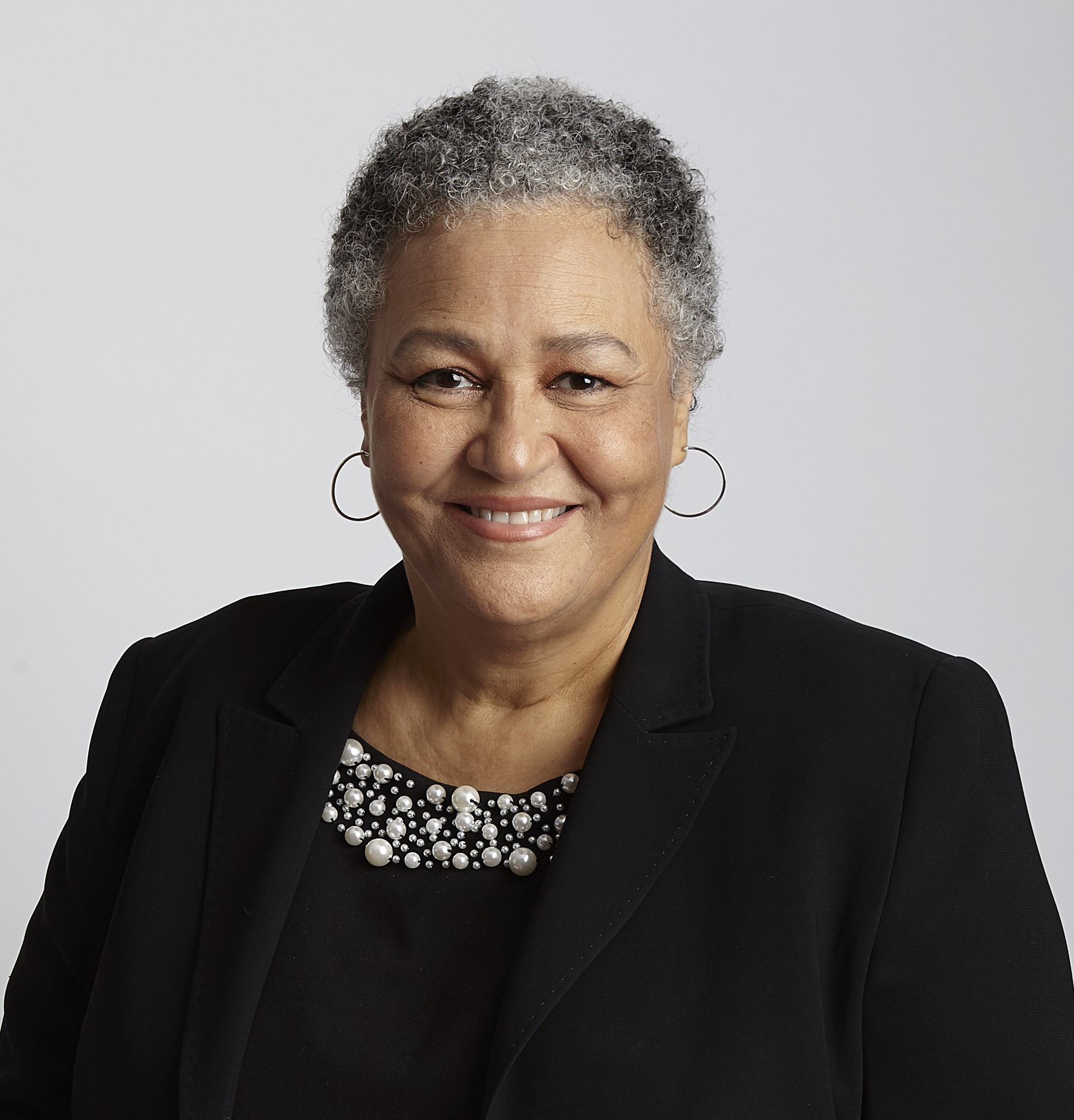 Reviewed by Andrea Barthwell, M.D., D.F.A.S.A.M. | Addiction Medicine Specialist | Medical Reviewer
Over-apologizing: when sorry stops meaning anything
“Sorry.” You say it when someone bumps into you. You say it before asking a question at work. You say it when you cry. You say it when you have an opinion that differs from someone else’s, which is to say, you say it for having an opinion at all.
If you apologize more than five times a day for things that are not your fault, you are over-apologizing. And if you are reading this thinking “but I really am sorry,” that is the problem. Over-apologizing is not politeness. It is a verbal habit of making yourself smaller so that no one around you has to feel even mildly inconvenienced by your existence.
You probably already recognize the pattern. You may have caught yourself apologizing to a stranger for standing in a grocery aisle, or opening a sentence with “sorry, but” before saying something completely reasonable. People around you might even joke about it. They notice. What they may not realize, and what you may not have put into words yet, is that every unnecessary “sorry” carries a message underneath: I do not believe I deserve to take up space here. That belief is the real issue, and the apology is just how it leaks out. If you are starting to suspect this connects to a larger pattern, it does. The people pleasing guide covers the full picture. For the opposite problem (how to deliver a real apology when one is actually owed), the article on how to apologize covers what apology has to be doing under the surface to qualify as repair.
Why you apologize for everything
Over-apologizing does not come from nowhere. It has roots, and they usually go deeper than you expect.
Childhood conditioning. If you grew up in a home where conflict felt dangerous, you learned early that apologizing was the fastest way to make things calm again. Maybe a parent had a temper. Maybe the household ran on eggshells. You figured out that saying “sorry” could defuse a situation before it exploded, and that lesson welded itself to your nervous system. Decades later, you are still apologizing first and asking questions never.
Low self-worth. Some people over-apologize because, on a level they might not consciously recognize, they genuinely believe they are inconveniencing others by existing. Asking for something feels like an imposition. Having an opinion feels like an intrusion. Taking up time, space, or attention feels like something that requires permission and, when granted, gratitude and apology. This is not humility. It is a wound dressed up as good manners.
Anxiety. Over-apologizing frequently co-occurs with anxiety. The apology works like a preemptive defense: if I say sorry before you have a chance to be upset, maybe I can head off the rejection I am already bracing for. It is a negotiation with a threat that has not materialized yet, and usually will not.
Cultural and gender conditioning. Research consistently shows that women apologize more than men, not because women do more things wrong, but because women are socialized to maintain relational harmony at their own expense. If you were raised with the message that being “nice” was your most important quality, constant apologizing is the natural result.
The fawn response. For some people, over-apologizing is not just a habit. It is a trauma response. The fawn response kicks in when your nervous system decides that the safest way to handle a perceived threat is to appease. Apologizing before someone can get angry at you is textbook fawning: you are not expressing regret, you are trying to prevent harm. This is one of the most recognizable people pleasing traits, and one of the hardest to unlearn because it operates below conscious awareness.
What over-apologizing actually communicates
You think your constant apologizing communicates politeness, consideration, maybe even warmth. Here is what it actually communicates:
“My needs are less important than yours.” Every time you say “sorry for bothering you” before asking a question, you are announcing that your question is a burden. You are ranking yourself below the other person before the conversation has even started.
“I don’t trust myself.” When you apologize for having an opinion, for making a decision, for taking initiative, you are broadcasting that you do not believe your own judgment is valid. Other people pick up on that signal, even if they cannot articulate what they are sensing.
“Please don’t be angry at me.” This is the one underneath all the others. The compulsive apology is a request for reassurance disguised as manners. You are not actually sorry. You are scared.
People around you register these signals. They may not think about it consciously, but over time, chronic apologizing trains others to treat your needs as optional. If you keep insisting that your presence is an imposition, eventually people believe you. They stop checking whether you are okay with something because you have already told them, through a hundred little apologies, that your comfort is not a priority.
This is the trap. Over-apologizing does not make people treat you better. It makes people treat you the way you are treating yourself.
The same reflex runs in the other direction too. People who over-apologize also tend to over-accept, waving off other people’s apologies with a fast “it’s fine” before they have checked whether it is. If that sounds familiar, accepting an apology honestly, rather than reflexively, is the receiving-end version of the same work.
How to stop over-apologizing
Knowing why you do it matters. But what most people actually want to know is how to stop apologizing for things that are not their fault. Here are five concrete replacements, plus a diagnostic exercise you can start today.
Five replacements that rewire the habit
1. Replace “sorry I’m late” with “thanks for waiting.” This shifts the energy from self-blame to gratitude. It acknowledges the other person without positioning yourself as someone who has done something wrong by existing in traffic.
2. Replace “sorry, can I ask a question?” with just asking the question. You do not need permission to speak. Drop the preamble entirely. “What’s the timeline on this?” is a complete sentence. It does not need an apology attached to the front.
3. Replace “sorry for bothering you” with “do you have a minute?” This one respects the other person’s time without groveling. It is direct, it gives them an out, and it does not require you to frame yourself as a nuisance.
4. Replace “sorry, I disagree” with “I see it differently.” Disagreement is not an offense. You do not owe anyone an apology for having a perspective. Saying “I see it differently” communicates confidence without aggression. If this feels difficult, the assertiveness cluster has practical frameworks for speaking up without the guilt spiral.
5. Replace “sorry for being emotional” with nothing. You do not need to apologize for having feelings. Full stop. Crying, being frustrated, expressing disappointment: these are normal human experiences, not inconveniences you are inflicting on others. The apology adds nothing except the message that your emotions are a problem.
For more language swaps like these, the saying no scripts collection provides ready-made phrasing you can adapt for dozens of situations.
The 24-hour sorry audit
Here is an exercise that will show you exactly how deep this goes. For one full day, track every apology you make. Carry a note on your phone or a scrap of paper. Every time you say “sorry,” write down what happened and what you were apologizing for.
At the end of the day, review the list. For each one, ask: was this actually my fault? Did I do something that genuinely warranted an apology? Or was I apologizing for existing, for having needs, for being in someone’s way?
Most people who do this exercise are startled by the numbers. Ten, fifteen, twenty apologies in a single day, and the vast majority are for things that were never their fault to begin with. That data is clarifying. It takes the problem out of the abstract and makes it visible.
Learning to stop saying sorry reflexively is not about becoming rude. It is about building the kind of boundaries that let you engage with people honestly instead of from a crouch. The goal is to mean it when you do apologize, which requires not apologizing when you do not.
When to actually apologize
The point of all this is not to stop apologizing entirely. Real apologies matter. When you hurt someone, when you break a commitment, when you cause harm, owning that fully is one of the most respectful things you can do. The goal is to stop apologizing for existing so that your apologies carry weight when they count.
A real apology is specific: “I’m sorry I forgot your birthday. That was careless and I can see it hurt you.” It takes accountability. It includes changed behavior.
A reflexive apology is vague: “Sorry, sorry, I know, I’m the worst.” It is not designed to repair anything. It is designed to prevent conflict. It is a flinch, not a reckoning.
Here is a useful test. Before you apologize, ask yourself: did I actually do something wrong? If yes, apologize fully and specifically. If no, catch the impulse, let it pass, and say something else instead. That gap between the impulse and the action is where recovery lives.
Breaking the over-apologizing habit is part of a larger process. If you recognize yourself in this article, the people pleasing recovery guide walks through the full path step by step. And if you want to see where you currently fall on the spectrum, the people pleaser test takes about three minutes and gives you a clear starting point.
FAQ
Why do I apologize for everything?
Usually because you learned early that taking blame kept things calm. If your parents or caregivers reacted badly to conflict, you figured out that apologizing first was the fastest way to defuse tension. That pattern followed you into adulthood. Now you apologize for existing: for having an opinion, for taking up space, for asking a question. It is not politeness. It is a reflex wired by an environment where your presence felt like an imposition.
Is over-apologizing a sign of anxiety?
Often, yes. Chronic over-apologizing frequently co-occurs with social anxiety, generalized anxiety, and low self-worth. The apology functions as a preemptive strike: if I apologize before you can be upset, maybe I can prevent the rejection I am sure is coming. Therapy for anxiety often reduces over-apologizing as a side effect, because the underlying fear of judgment loosens its grip.
The content on this site is for informational purposes only and is not a substitute for professional therapy or medical advice. If you are experiencing significant distress, please reach out to a licensed mental health professional. Reviewed by Dr. Andrea Barthwell.
Keep Reading
Are You a People Pleaser?
Find out how deep the people-pleasing pattern runs and where it shows up most in your life.
Discover Your Boundary Style
Take our free quiz and get personalized tips for your boundary type.
Take the QuizThis content is for informational purposes only and is not a substitute for professional medical advice, diagnosis, or treatment. Always seek the advice of a qualified health provider with any questions you may have regarding a medical condition.